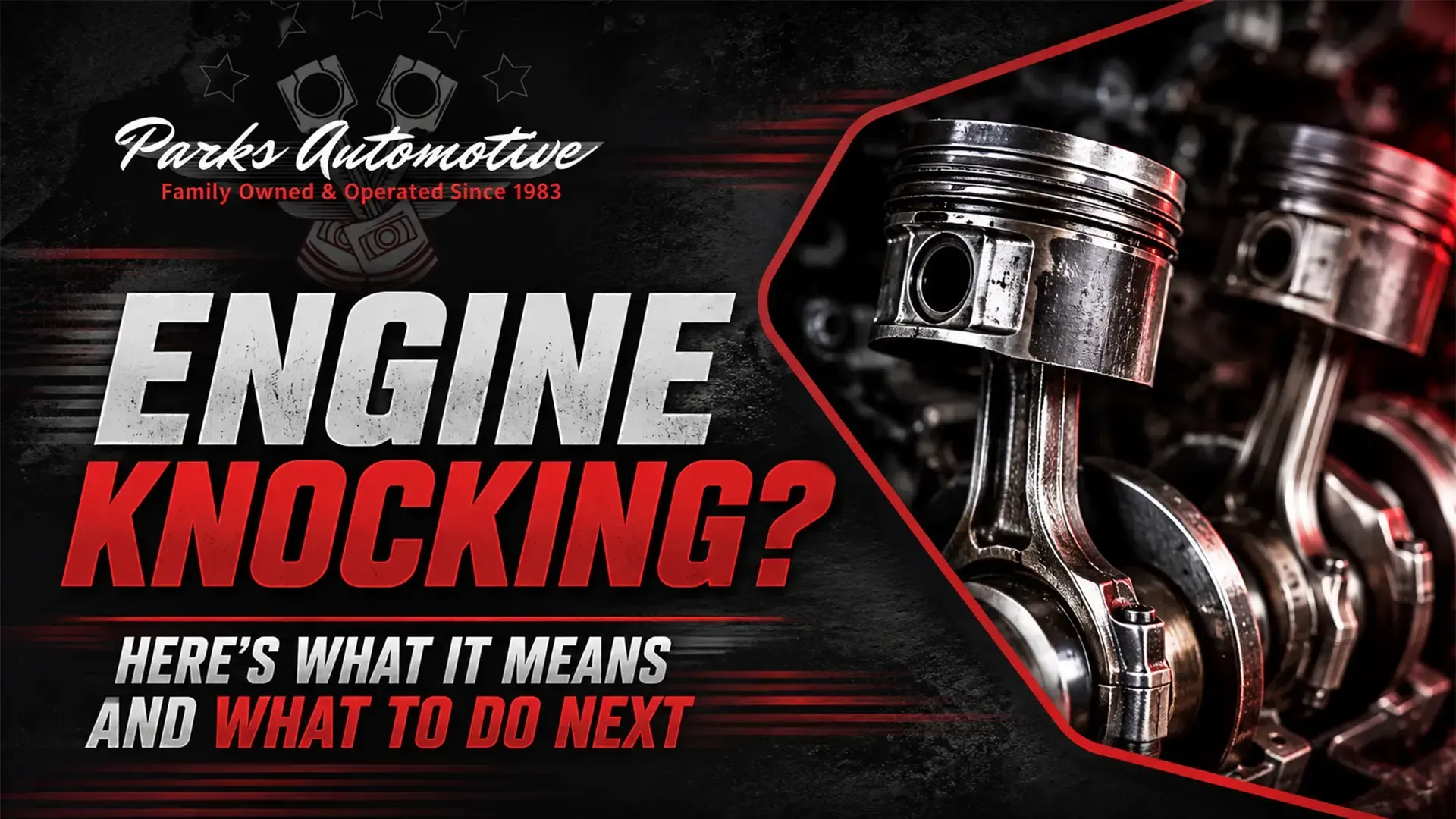
Engine Knocking? Here's What It Means and What to Do Next
Discover More On:
A knock from under the hood can make even a short drive feel uncertain. Sometimes the sound is light and brief. Other times, it is a deep tap that gets worse under load. If you need engine repair in Cape Girardeau, MO, the safest move is to have the cause confirmed before the damage spreads.
Engine knocking can come from several places inside or around the engine. Low oil, poor combustion, misfires, worn bearings, timing problems, and overheating can all create noise. The sound gives a clue, but testing gives the answer.
What Engine Knocking Can Mean
Engine noise is easier to understand when you listen for when it happens. A cold-start rattle, a sharp ping under acceleration, and a steady low knock may point in different directions.
A Low Oil Level or Poor Oil Pressure
Oil forms a thin protective film between moving metal parts. If the level is low or the oil has broken down, the engine may run louder because parts are no longer cushioned the way they should be.
A deep knock at startup or idle can point to bearing wear or oil pressure trouble. Do not keep driving if the oil pressure warning light appears. Shut the engine off and check the oil level first.
Detonation, Pinging, or Fuel-Related Noise
A sharp ping can happen when fuel burns unevenly inside the cylinder. This is one answer to what causes engine knocking, especially when the noise appears during acceleration or climbing a hill.
Bad fuel quality, carbon buildup, incorrect timing, overheating, or a sensor problem can all contribute. If the sound is light but repeats often, it still deserves attention.
Misfires, Timing Problems, or Worn Internal Parts
A misfire can make the engine shake, stumble, or knock because one cylinder is not firing correctly. Worn timing components can also rattle, especially on cold starts.
For Ford trucks, SUVs, and commuter vehicles, local drivers can also review Ford repair options. This is especially relevant when a knock comes with model-specific concerns like coil issues, timing noise, or drivability problems.
What to Do When You Hear an Engine Knocking Sound
An engine knocking sound is not something to drown out with the radio. The next few minutes can make a real difference, especially if the noise is new, loud, or tied to warning lights.
Ease Off the Throttle
If you hear a car knocking noise when accelerating, stop pushing the engine hard. Heavy throttle raises cylinder pressure and can make combustion or bearing problems worse.
Find a safe place to slow down. If the knock fades when you ease off the gas, mention that detail when you schedule service.
Check Warning Lights and Temperature
Look for an oil pressure light, check engine light, or temperature warning. A hot engine, flashing check engine light, or oil pressure warning should not be ignored.
If the warning is related to drivability, check engine light diagnostics can help identify the source. The results can show whether the knock is tied to a misfire, sensor fault, fuel trim issue, or another engine control problem.
Avoid Long Drives Until It Is Checked
A short drive to a shop may be reasonable if the engine sounds mild and no warning lights are present. A loud knock, rough running, smoke, or overheating changes the situation.
Drivers around downtown, SEMO, and the Cape Girardeau street network often rely on their vehicle for work, school, and family errands. Still, a few extra trips can turn a small repair into a much larger one.
Why Cape Girardeau Driving Can Make Engine Noise Show Up Sooner
Local driving patterns affect how engine problems appear. Heat, short trips, hills, and highway loads can all expose weak spots faster than easy cruising.
Heat, Short Trips, and Stop-and-Go Routes
Missouri summer heat can raise under-hood temperatures, especially in slow traffic along Kingshighway, William Street, or near downtown. Short trips can also keep the engine from reaching full operating temperature long enough to burn off moisture and fuel dilution.
If oil changes stretch too far, wear can show up as extra valvetrain noise, ticking, or knocking. Staying current with auto repair services gives you a better chance of catching small issues before they get expensive.
Highway Loads on I-55 and Route 74
Engines work harder at highway speed, during passing, and while climbing grades. A knock that only appears under load may be connected to fuel delivery, ignition timing, carbon buildup, or internal wear.
Cape Girardeau drivers who split time between I-55, Route 74, Jackson, and the Bill Emerson Memorial Bridge may notice the sound more during merging or steady climbs.
Older Vehicles and Missed Maintenance
High-mileage engines are more sensitive to low oil, poor fuel delivery, worn plugs, and timing wear. If a vehicle has gone too long between services, the first symptom may be a noise.
Parks Automotive has served local drivers for decades, and the shop’s family-owned approach fits this kind of problem well. A clear diagnosis helps you decide what is urgent, what can wait, and what is worth repairing.
How a Shop Confirms the Cause
A knock should not be diagnosed by sound alone. The right process combines what you heard with scan data, physical tests, and a close look at the engine’s condition.
Scan Data and Symptom Review
A technician should ask when the noise started, when it happens, and whether the vehicle has lost power. That information guides testing.
For engine diagnostics in Cape Girardeau, Parks Automotive uses scan data, live readings, freeze-frame information, and hands-on checks to narrow the problem before any part is ordered. The engine diagnostics service page explains these diagnostic steps in more detail.
Oil Pressure, Compression, and Leak-Down Testing
If the knock sounds internal, oil pressure testing can show whether the engine is getting enough lubrication. Compression and leak-down testing can help reveal cylinder sealing problems, valve issues, or deeper wear.
These tests matter because a knock could be a minor ignition concern, a timing problem, or a serious internal failure. The repair path changes completely depending on the result.
Clear Repair Options Before Work Begins
A good repair plan should explain the failure, the risk of continued driving, and the estimated cost. It should also separate urgent work from future maintenance.
For another example of how unusual vehicle noises can signal safety or repair concerns, read the article Squealing or Grinding Brakes? When to Get Them Checked. It offers helpful guidance on when unusual brake sounds need attention.
Takeaways
Engine knocking can come from low oil, fuel problems, misfires, timing issues, overheating, or internal wear. The sound matters, but it should be paired with real testing before anyone recommends parts or major repairs.
For Cape Girardeau drivers, heat, short trips, stop-and-go traffic, and highway loads can make engine problems show up sooner. If the knock is new, loud, or paired with a warning light, schedule a diagnostic visit and avoid unnecessary driving.
Frequently Asked Questions
Can I drive with engine knocking?
You may be able to drive a short distance if the sound is light and there are no warning lights, but you should be cautious. If the knock is loud, the oil pressure light is on, the engine is overheating, or the check engine light is flashing, stop driving and arrange service.
Is engine knocking always serious?
Engine knocking is not always catastrophic, but it should never be dismissed. A light ping may come from fuel or timing issues, while a deep knock can point to worn bearings or internal engine damage.
Why does my engine knock when I accelerate?
A knock during acceleration often happens when the engine is under load. Common causes include detonation, bad fuel, carbon buildup, ignition trouble, fuel delivery problems, or worn internal parts.
Can an oil change fix engine knocking?
An oil change may quiet noise caused by old oil or a low oil level. However, it will not repair worn bearings, timing damage, or internal engine wear. If the noise continues after the oil level is corrected, the engine needs proper testing.
What if the check engine light comes on with the knocking?
A check engine light with knocking can point to a misfire, fuel issue, sensor fault, or more serious engine problem. A flashing light is urgent because raw fuel may damage the catalytic converter.
Get Trusted Engine Knocking Help from Parks Automotive
If your vehicle is knocking, tapping, pinging, or running rough, Parks Automotive can help you sort out the cause with clear testing and a written estimate. The shop is located at 17 S Park Ave, Cape Girardeau, MO 63703, close to downtown. This makes it convenient for drivers coming from I-55, Broadway, Jackson, and nearby Cape Girardeau County communities.
Call or text (573) 335-2599 to describe the sound and schedule a time to have the vehicle checked. Engine knocking is easier to handle when the cause is found early, before a small warning leads to major engine repair.

Bryant Parks
Bryant Parks is the owner of Parks Automotive LLC, a family-owned auto repair shop in Cape Girardeau, Missouri. He has worked full-time in the automotive trade since he was 16 and received his training at Nashville Auto Diesel College. In 2012, he took ownership of the shop his father, Joe Parks, founded in 1983.
Bryant and his daughter, Jessica Parks, lead a team that handles brake repair, engine diagnostics and repair, and suspension and steering repair. The shop services domestic, Asian, and European vehicles, including Ford, Chevrolet, Toyota, and Honda.
He traces drivability and electrical faults using a Snap-on Triton lab scope and a TOPDON Phoenix Max. These tools allow him to test sensors and circuits directly before recommending any part replacement.
More than four decades after his father opened the shop, Bryant continues to run it with the same approach. He explains what each vehicle needs in plain terms and treats every customer like family.
